

How to Decorate a Rented Home Without Breaking Your Lease
Decorating a rented home comes down to one rule: change nothing you cannot undo. This guide from Antique and Modern shows you how to decorate a rented home with removable fixes, sensible budgets and a plan for getting your deposit back.
Removable adhesive strips, tension rods and freestanding lighting now cover almost every gap a fixed wall used to leave. The trick is knowing which products hold, which peel, and which ones your landlord will ask you to reverse.
How to Decorate Rental Walls Without Damage
Treat every fixing as temporary. Adhesive strips, picture rails and leaning shelves work well; nails, screws and strong glue do not, and your landlord can charge for filling holes and repainting.
Start with the method, not the artwork. A heavy mirror needs a different fixing from a lightweight print.
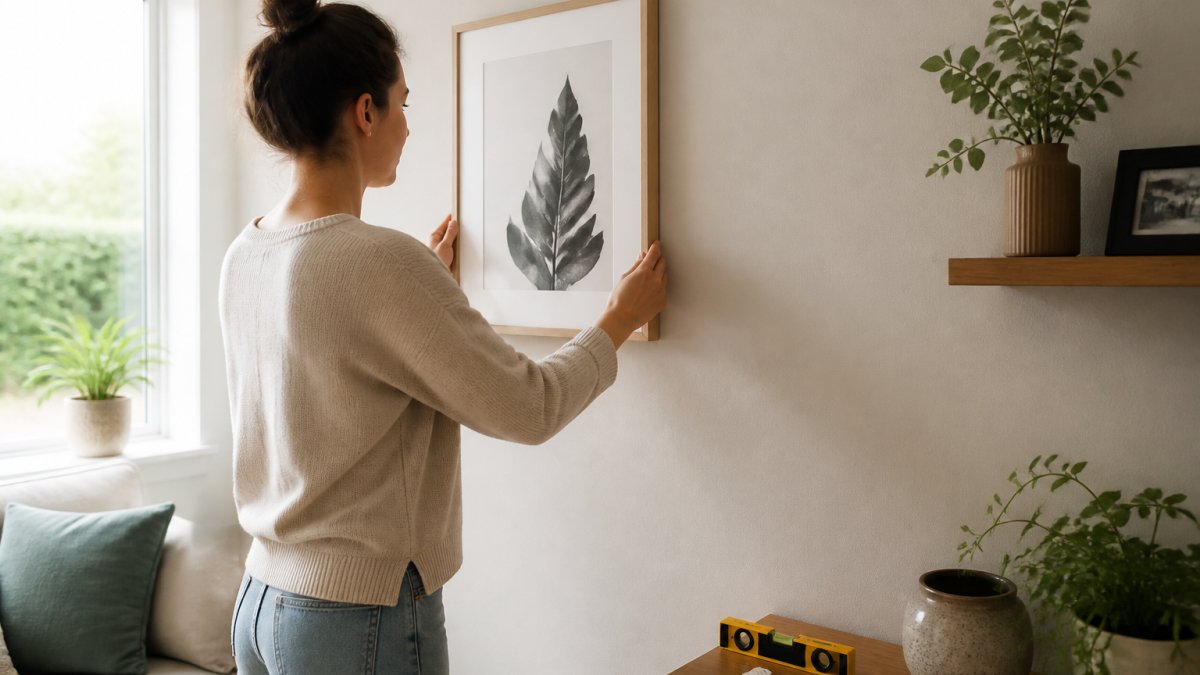
Damage-Free Hanging Methods That Actually Hold
- Adhesive strips: best for frames under 2kg on smooth, painted walls. Buy a strip rated above the weight of the item, a 1kg frame on a 2kg-rated strip is a sensible margin.
- Tension rods: ideal for curtains and shelves inside window recesses, no drilling. Check the recess width and the rod's stated load; a rod holding a heavy curtain needs a wider rubber foot to avoid slipping.
- Picture rails: use existing rails where fitted, with proper hooks. The rail carries the load, not the plaster, so this is one of the safest options in older properties.
Never stick adhesive strips to freshly painted walls. Paint needs to cure or the strip lifts the finish when removed. Wait at least a week after any repaint, longer in cool, damp conditions.
Weight Limits and Safe Mounting
Most removable adhesive strips sold in the UK state a maximum load per strip, usually 1kg to 7kg.
For anything heavier, use a freestanding or leaning solution: a floor mirror, ladder shelf or picture ledge on a sideboard.
Check the surface first. Glossy paint, sealed wood and smooth tile hold adhesive well; matt emulsion, textured wallpaper, fresh plaster and dusty surfaces do not.
Fire Safety and Placement
Keep textiles, fairy lights and paper decorations away from radiators, heaters and open flames. Battery-powered LED lights are safest for renters: little heat, no socket.
If your tenancy includes a fire-safety clause, read it before adding anything near a heat source. Most landlords permit battery lights and removable fixings but prohibit anything that interferes with smoke alarms or escape routes.
When Adhesive May Damage Surfaces
Adhesive can lift paint, leave residue or pull away wallpaper if left too long or removed too quickly. Warm the strip with a hairdryer on low and pull it back at a low angle, parallel to the wall. Warm soapy water and a soft cloth usually lift any residue without harming the paint.
Temporary Wallpaper for Renters: What Works and What Peels
Temporary wallpaper is peel-and-stick and designed to lift off cleanly. It works on smooth, sealed, primed walls but peels, bubbles or takes paint with it on textured surfaces, fresh plaster or low-sheen emulsion.
Test first: press a small square to an out-of-sight patch for a few days. If it lifts cleanly, you are safe to go further.
A few practical rules keep a feature wall intact:
- Clean the wall and let it dry fully before applying
- Smooth the paper outward from the centre to avoid air pockets
- Keep it away from radiators and direct heat
Peel-and-stick wallpaper suits a single feature wall far better than a whole room. It is also easy to replace if your taste moves on.
Renter-Friendly Lighting Ideas for Instant Warmth
Lighting is the fastest way to make a rental feel like home.
Renters often live with whatever bulb the last tenant left.
Layer three sources in a living area:
- A floor lamp for a reading corner
- A table lamp on a sideboard for ambient glow
- Plug-in wall lights or fairy lights for accent warmth
Portable, rechargeable lamps are a smart option if sockets are scarce. They move with you and never touch the wiring.
A common mistake is lighting a whole room from one ceiling fitting. Several smaller lamps at different heights create depth and make a plain rental feel considered.
Budget-Friendly Rental Decorating That Looks Considered
Budget-friendly rental decorating means spending where guests notice and saving where they do not. Textiles, lighting and a few well-chosen accessories do more than an expensive sofa.
A workable split looks like this:
| Spend area | Priority | Why it pays off |
|---|---|---|
| Cushions and throws | High | Instant colour and warmth, easy to move |
| Rugs | High | Covers tired flooring, defines a space |
| Lighting | High | Changes mood for very little money |
| Wall art | Medium | Personalises a plain wall without damage |
| Furniture | Low | Buy second-hand or keep what you have |
Thrifted and second-hand furniture fits a rental well: it costs less, and you lose nothing if you move and cannot take it along. Layer textiles in neutral colours so pieces work in any future home.
Realistic Costs by Budget Tier
Prices vary by retailer and quality, but these ranges give a practical starting point for a typical one-bedroom flat. Treat them as guides, not quotes.
Low budget, around £150 to £300 per room
- Cushion covers: £5 to £15 each from high-street homeware ranges
- Throw: £15 to £30
- Small rug: £30 to £60
Medium budget, around £300 to £600 per room
- Larger rug: £60 to £150
- Floor lamp: £40 to £90
- Pair of table lamps: £50 to £100
Higher budget, around £600 to £1,200 per room
- Statement floor lamp or pendant with plug-in fitting: £100 to £250
- Quality wool rug: £150 to £400
- Upholstered armchair or small sofa from a second-hand marketplace: £200 to £500
Room-by-Room Priorities
- Living room: one large rug, two lamps at different heights, cushion covers and a throw. This is where guests spend most time, so it deserves the largest share.
- Bedroom: warm bulbs, a bedside lamp, blackout curtains on a tension rod and a washable throw. Comfort matters more than display here.
- Kitchen: a plug-in under-cabinet light, a washable runner and a few hooks for utensils. Avoid anything that fixes to cabinet doors unless it is removable.
Where to Save and Where to Spend
Save on anything fixed or fitted: blinds, built-in shelving, large furniture. Spend on items you will take to your next home: lamps, rugs, cushions, artwork.
Check charity shops, car-boot sales and online marketplaces before buying new. A second-hand wooden sideboard often costs less than a flat-pack equivalent and looks more considered. Keep receipts and measure before you buy so you do not waste money on a rug that is too small.
Furnishing a Rented Home Around Its Fixed Features
Furnishing a rental means working with what you cannot change. Awkward radiators, built-in wardrobes and odd wall positions are fixed.
Measure before you buy. Note door swings, socket positions and the gap around each radiator; a sofa that blocks a radiator wastes heat and looks wrong.
Try these arrangement moves:
- Float the sofa away from the wall to create a comfortable living area
- Use a rug to define a zone in an open-plan room
- Place a slim console behind the sofa to add storage and a surface for lamps
If a room has a property quirk, such as a low window or an odd alcove, make it a feature.
Move-Out Restoration: Getting Your Deposit Back
Getting your deposit back depends on leaving the property as you found it.
Your deposit should be protected in a government-approved tenancy deposit scheme. Check the scheme details and the check-out process through GOV.UK guidance on tenancy deposits so you know your rights before the final inspection.
A simple restoration routine saves arguments:
- Remove all adhesive strips, hooks and temporary wallpaper slowly
- Fill and touch up any marks, using the same paint colour
- Return furniture to its original position
Watch out: removing adhesive too quickly can tear paint. Warm the strip gently and pull it back at a low angle.
Building Your Renter-Friendly Decorating Checklist
A renter-friendly decorating checklist keeps you organised and protects your deposit. Use it before you buy, before you fix and before you move out.
- Read your tenancy agreement and note any restrictions
- Ask your landlord in writing before any fixing you are unsure about
- Photograph every room on move-in day
The Citizens Advice guide to rented housing is a useful reference if a landlord disputes wear and tear. Knowing the difference between damage and fair wear protects you in any deposit conversation.
Frequently Asked Questions
Can I paint or wallpaper a rented home?
Only with your landlord's written permission. Check your tenancy agreement first, because many standard assured shorthold tenancies require consent for any alteration to the decoration. If permission is granted, agree in writing whether you must return the walls to their original colour before you leave. Peel-and-stick wallpaper is the safer route: it comes away cleanly from most painted plaster, so you can decorate a rented home without a permanent change. Always test a small strip in a corner and leave it for a week before committing to a full wall.
What are the best renter-friendly ways to hang pictures?
Adhesive strips and hooks are the first choice for lightweight frames, and they lift off painted walls without leaving holes. For anything heavier, use a single small pin nail in a spot that will sit behind furniture, and fill it with lightweight filler before you move out. Avoid hanging above beds or seating where a fall could cause injury, and keep frames away from radiators and steamy bathrooms where adhesive weakens. If you are unsure what the wall is made of, test on a hidden patch first.
How can I make a rented home feel more personal on a budget?
Start with the things you take with you: cushions, throws, rugs, lamps and framed photos. Layering textiles in neutral colours with one or two accent tones changes a room faster than any structural work. Add plug-in wall lights or a floor lamp to soften overhead lighting, and group sentimental items on a tray or shelf so they read as intentional. Budget-friendly rental decorating works best when you spend on pieces you would keep in any future home.
What can you not do in a rented property?
You cannot make structural alterations, install fixtures, or redecorate without your landlord's consent, and your tenancy agreement will set out what counts. Common restrictions include painting walls a different colour, drilling into tiled surfaces, changing locks, and putting nails into doors. You also have obligations as a tenant: keep the property in good condition, report repairs, and allow access for inspections with proper notice. If you want to make a change, ask first and get the answer in writing so there is no dispute at the end of the tenancy.
Decorating a rental is a test of restraint as much as taste. The renters who get it right choose pieces that move with them, fix nothing permanently, and plan the exit before they start. At Antique and Modern, our curated home decor and seasonal pieces are chosen for exactly that: character you can add today and take with you tomorrow. Browse our collection to find decorative accents, kitchenware and festive items that suit a home you do not own, and add a little warmth without a single nail.